Curiosity, put into practice.
Ideas to try, learning guides, and small discoveries worth following.
 Explore an idea
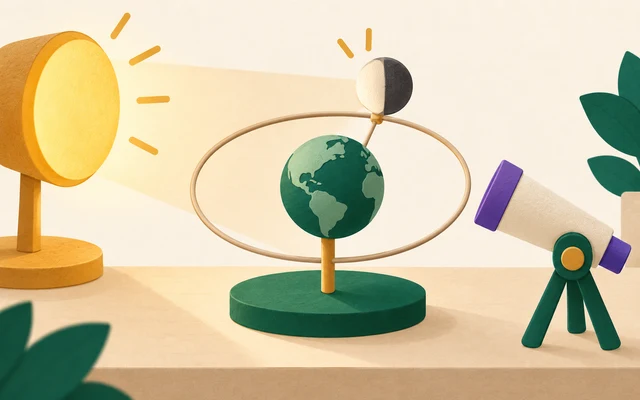
Why the Moon changes shape in the sky
Where does the rest of a crescent Moon go? Move the Moon around Earth in the Moon Lantern lab, compare two views, and follow the light to find out.
Read the story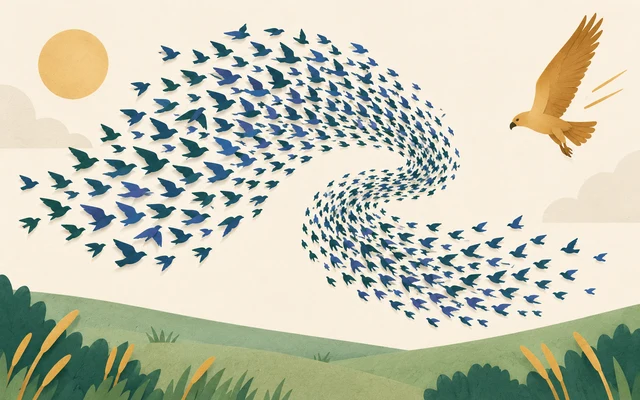 Learning science
What a flock of birds can teach us
In Murmuration Meadow, small changes reveal how a flock moves together. Learners make predictions, adjust the rules, and use what they observe to explain the pattern.
Read article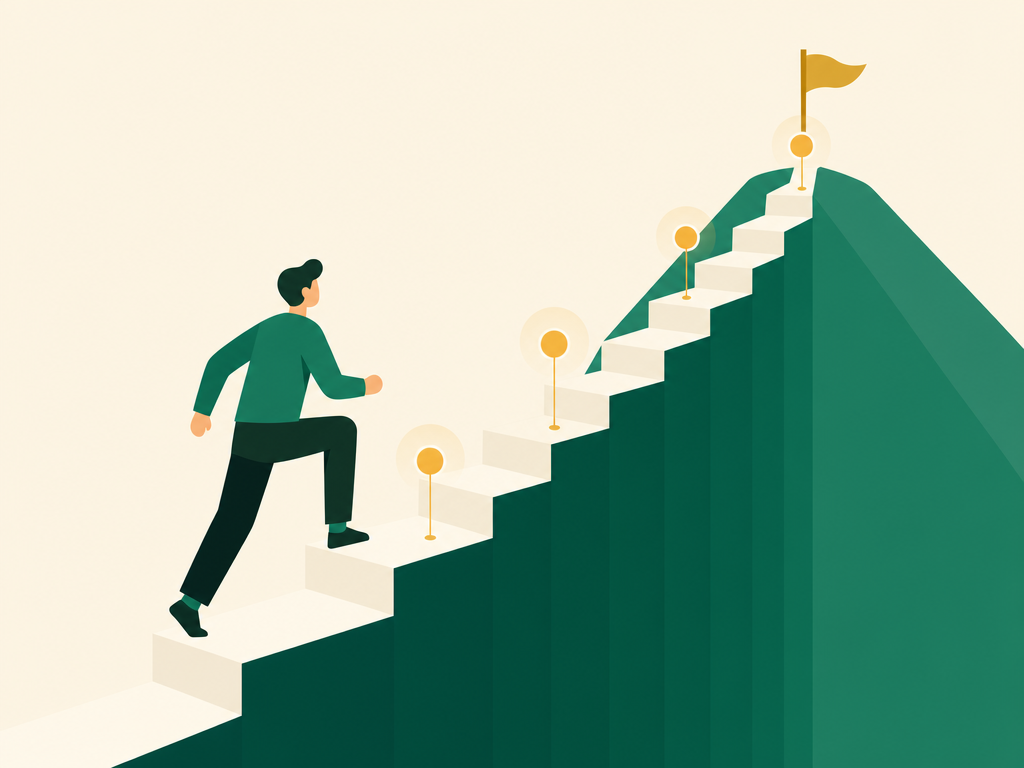 Study guides
Finished a practice test? Here’s what to do next
Turn your result into a useful next step: examine one answer, find the idea behind it, and choose what to practise next.
Read article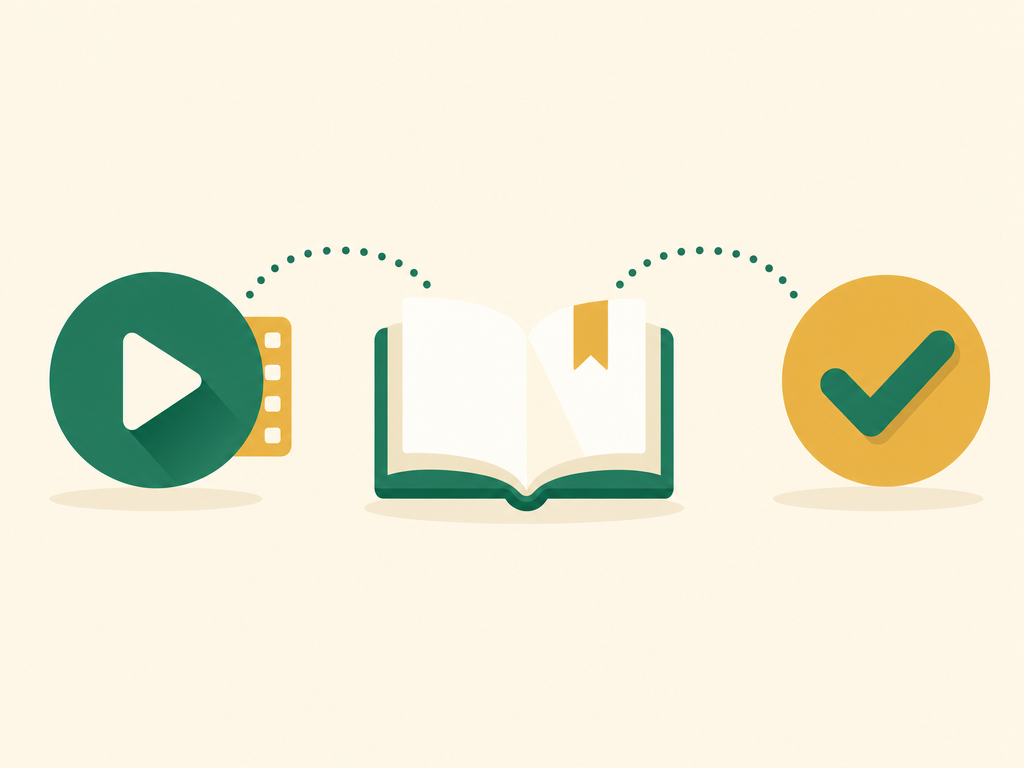 Product
A lesson you can watch, work through, and try
Follow a lesson from its Watch scenes to Learn checks and a related Lab. The collection now has 250 interactive experiences, with full-class film downloads for 22 lessons.
Read article Announcements
Plug Scolavo into your own AI: the Scolavo MCP server
Schools, districts, universities, and learning teams can now ground their own chatbots and AI assistants in Scolavo’s full licensed curriculum — 3,680 class-lessons across 125 subjects — through an MCP connection. Here’s what that means, how it works, and what “licensed” actually buys you.
Read article Announcements
Our 2026 soft launch: three months of full access
Archive of Scolavo’s June 2026 soft launch: the three-month full-library promotion ended September 15, 2026. See current Curious, Band, and Family access.
Read article Learning science
The testing effect: why a quick question teaches more than another read-through
Re-reading feels productive and barely is. Being asked to recall something is harder, feels worse, and works dramatically better. Here's the research Scolavo's quick-checks are built on.
Read article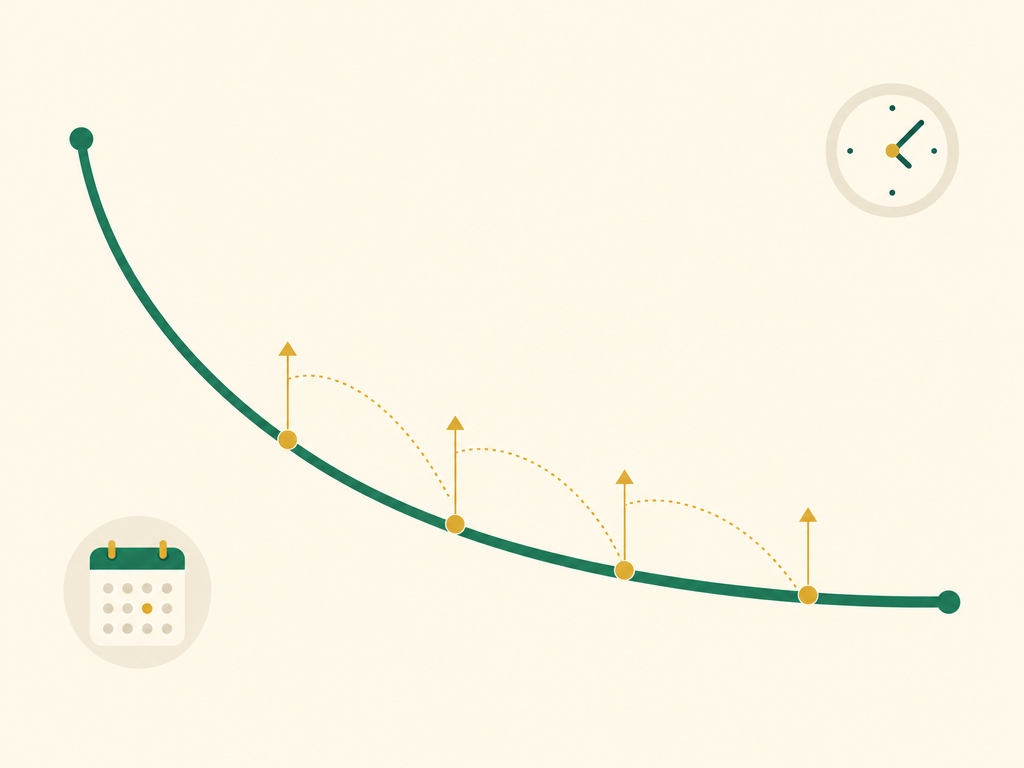 Learning science
The forgetting curve: why forgetting a little is the point
Forgetting isn't the failure of learning — used on purpose, it's the engine of it. Here's the research behind why Scolavo brings ideas back days and weeks later instead of letting you cram.
Read article Our method
Watch it, then do it — why every lesson has two modes
Watching a great explanation feels like learning. Often it isn't. Here's the gap between recognizing an idea and being able to use it — and the two-mode design Scolavo built to close it.
Read article Homeschool
A homeschool week at the kitchen table
A loose, kind rhythm for using Scolavo with one kid or four — watch, do, check — without turning your kitchen into a classroom you both dread.
Read article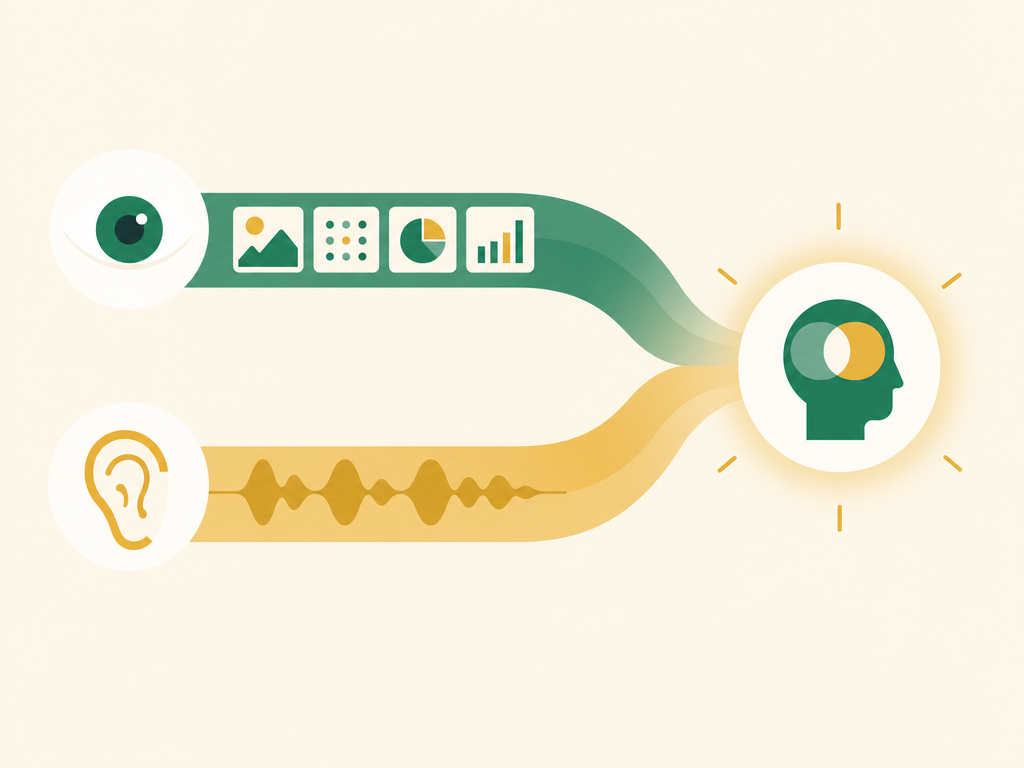 Learning science
Why we pair visuals with narration — the cognitive science of multimedia learning
Combining pictures with a spoken voice uses how working memory is actually built. Plain text leaves half the machinery idle. Here is the research Scolavo is designed around.
Read article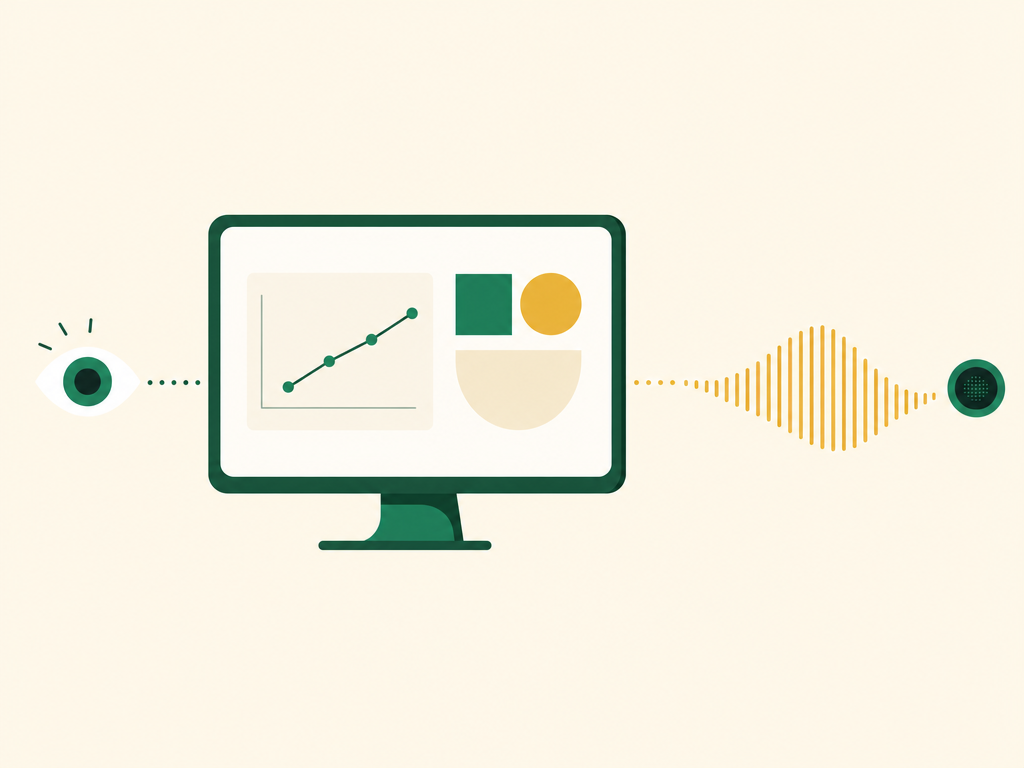 Learning science
The modality principle: why we narrate instead of putting text on the screen
A screen full of text fights with the diagram beside it. A voice doesn’t. The single design rule behind every narrated Scolavo lesson.
Read article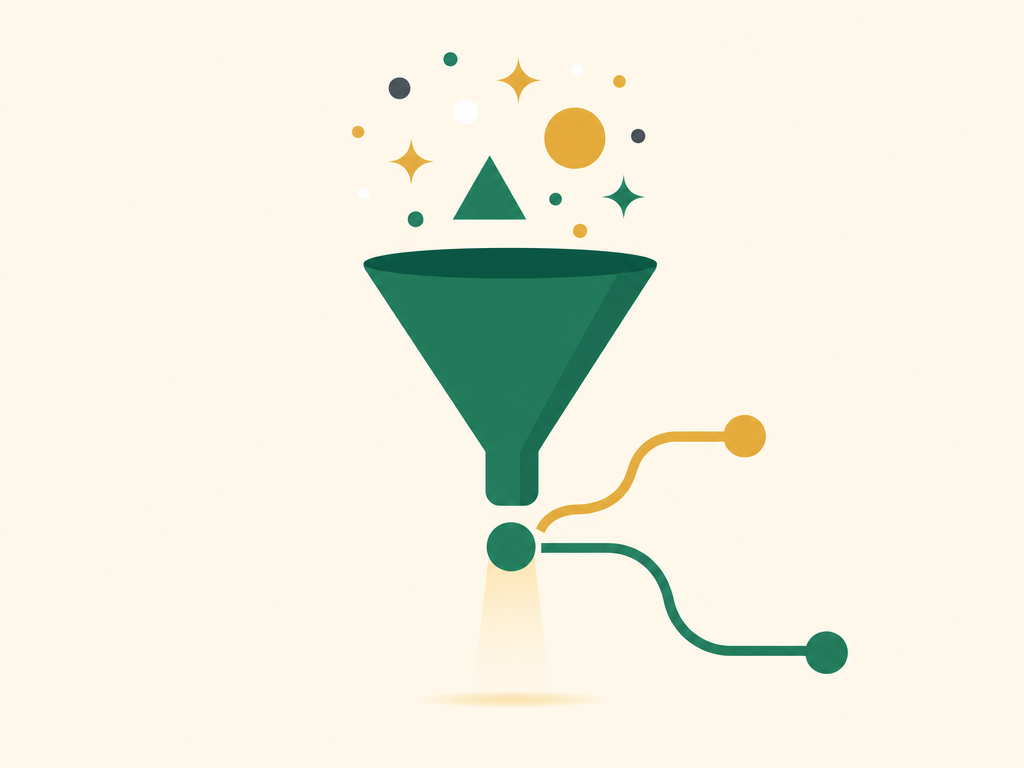 Learning science
When visuals don’t help: novices, experts, and the coherence principle
The multimedia effect is real — but it has boundaries. Decorative images distract, and support that helps a beginner can slow down an expert. Designing honestly means designing for who’s watching.
Read article